By CEHAT, India, SVRI Grantee 2019
Niyati (name changed to protect privacy), a 15-year-old girl from rural Jharkhand, migrated to Mumbai a year ago and has been living with her aunt in an informal settlement while working as a domestic worker. A few months ago, her employer sent her to a public hospital after she experienced severe abdominal pain and nausea. A urine pregnancy test confirmed that Niyati was pregnant, and doctors determined the gestational age to be 20 weeks. She then disclosed to her doctor that this was a result of consensual sexual intercourse with her 19-year-old boyfriend. What followed in Niyati’s case demonstrates the complex issues that adolescents are confronted with when they attempt to access sexual and reproductive health and rights (SRHR) and services in light of existing legal frameworks.
Niyati’s Health Care Providers (HCPs) posed a question which was extremely overwhelming and daunting for anyone, but especially for an adolescent. They asked her if she wanted to terminate the pregnancy. Since Niyati was a minor, as per the Medical Termination of Pregnancy (Amendment) Act, 2021, she needed her guardian’s written consent to terminate the pregnancy, which her aunt was willing to provide. However, when Niyati stated that she wanted to opt for termination, the HCP told her that as per provisions of the POCSO law, they would have to report the pregnancy to the police first as she was a minor. Niyati feared the implications as she became aware that her boyfriend could be arrested.
When Niyati stated that she wanted to terminate her pregnancy, the Health Care Providers told her that as per provisions of the POCSO law, they would have to report the pregnancy to the police first as she was a minor. Niyati feared the implications as she became aware that her boyfriend could be arrested.”
The implications of mandatory reporting: Consensual sex or sexual violence?
Niyati’s situation and her subsequent dilemma are not an isolated incident. Data [1] from four public hospitals in Mumbai shows that between 2020-2023, 700 women were brought in for medical examinations under suspicion of sexual violence, with 411 adolescent girls making up the largest affected group. 191 of the adolescent girls in this group had been initially reported as missing by their families and subsequently underwent medicolegal examination based solely on the suspicion of the police, without them having actually reported any history of violence.
The Protection of Children from Sexual Offences (POCSO) Act, 2012 criminalizes all sexual activity under 18 years of age and makes no distinction between consensual sex and sexual violence. The fear of legal consequences discourages adolescent girls in consensual relationships from approaching the health system for therapeutic care such as in cases of pregnancy. The mandatory reporting requirement also compels health care providers to prioritise their legal obligations over their therapeutic caregiving responsibilities.[2]
Health impacts for adolescent girls
Many adolescent girls do not have access to any psycho-social counselling or support that would enable them to make informed decisions about their bodies. In such situations, adolescent girls often fear for the safety of their partners and run away from the health systems without accessing the required therapeutic care. This also leads to them eventually accessing unsafe means of termination via unregistered practitioners and having to spend a lot of money that they don’t necessarily have. This approach may lead to dangerous short- and long-term health consequences for the adolescents. In many cases, they are forced to carry their pregnancy to term and deliver the child leading to the struggle of either caring for the child for the rest of their lives or navigating the legal systems for adoption.[3]
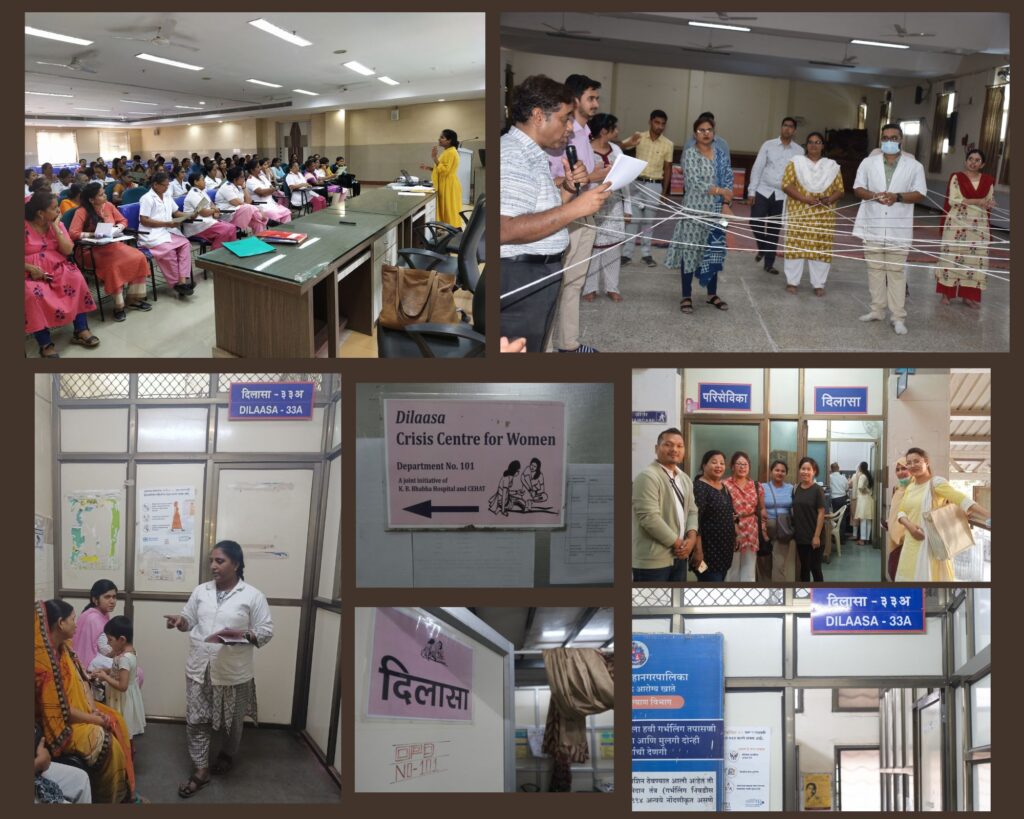
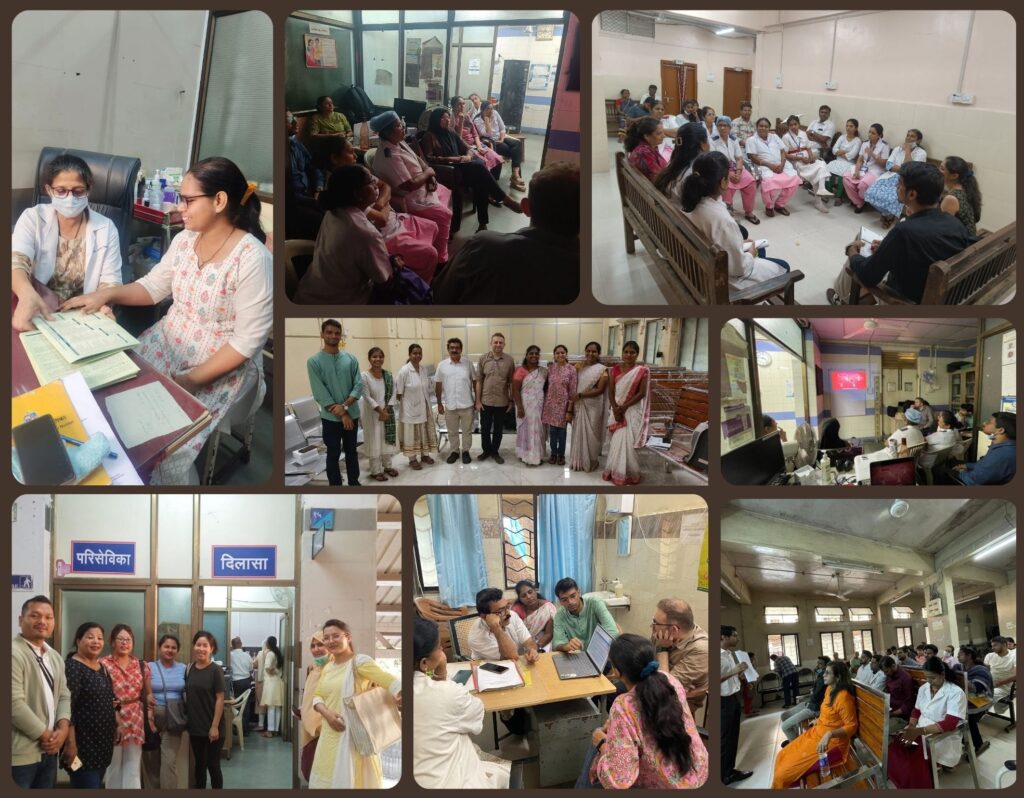
Fortunately for Niyati, she had the support of her aunt and the Dilaasa counsellors* – hospital staff trained to provide support and psychosocial care to survivors of violence – who helped her to navigate the contradictory requirements imposed by the different laws. She was therefore able to understand the implications of her pregnancy and make an informed decision with all the necessary information available to her.
Penalizing adolescent boys/ young men
The mandatory reporting obligation pushes adolescent boys/ young men who engage in sexual intercourse into the rigmarole of the criminal justice system. In Niyati’s case, despite the relationship being consensual, the HCPs had to inform the police and her boyfriend was arrested. Even though eventually, on account of Niyati’s statement he was released, he had to spend a significant amount of time in police custody and had to experience unwarranted trauma. Often, partners of adolescent girls themselves are minors and are victimised because of the sweeping approach of the law.
Conclusion
HCPs have the professional and ethical responsibility to comply with principles of non-maleficence and patient autonomy. In the context of adolescent healthcare, however, these principles conflict with laws and societal norms that heavily restrict adolescents’ sexual behaviour and reproductive choices. Ethical guidelines, such as those from the World Health Organization (WHO), advocate for a patient-centered approach, stressing that adolescents deserve accessible SRHR care tailored to their needs and informed consent where possible. However, under the Indian law, healthcare providers are expected to prioritize the POCSO Act’s mandate, even if it conflicts with therapeutic care principles and seriously compromises health and well- being of adolescents. The global average age of consent is 16 years which takes into account the natural progression of adolescent sexual development. However, in India, the POCSO Act adopts an over protectionist approach, invisibilising adolescents’ evolving capacities [4]. This approach towards adolescents and their sexuality seems to be doing more harm than good. Understanding the fact that adolescents actively engage in consensual sexual behaviour, it would be wise to rethink the age of consent and bring it in alignment with global standards.
This blog post is written by Prarthana Lohia (Senior Research Associate) and Anshit Baxi (Senior Research Associate) from the Centre for Enquiry into Health and Allied Themes (CEHAT). The authors would like to acknowledge inputs from Sangeeta Rege and Amruta Bavadekar
[1] (unpublished) As part of CEHAT’s quality assessment of health systems response to VAW/G, it conducts quarterly data analysis of medico-legal examination of sexual violence proforma. The findings are shared at hospitals’ monitoring committee meeting. to ensure compliance of documentation as per ‘Guidelines & Protocols: Medico-legal care for survivors/victims of sexual violence’ by the Ministry of Health and Family Welfare. The purpose of data analysis is not meant for research study but to bring efficiency in hospitals’ medico-legal documentation.
[2] Jagadeesh, N., Bhate-Deosthali, P., & Rege, S. (2016). Ethical concerns related to mandatory reporting of sexual violence. Indian Journal of Medical Ethics, 2 (2 (NS), 116.
[3] Bhate-Deosthali, P., & Rege, S. (2019). Denial of Safe Abortion to Survivors of Rape in India. Health and Human Rights Journal.21(2),189-198.
[4] The Convention on the Rights of the Child introduced the concept of Evolving Capacities of the Child in Article 5
*The Dilaasa model: Integrating a response to violence against women within Mombai’s health system
The Dilaasa model is a building capacity programme for hospital staff to integrate a response to violence against women (VAW) into their clinical practice and provide psychosocial care to survivors of violence through setting up a hospital based-crisis intervention department. The model is based on WHO’s health systems’ building blocks framework for health system strengthening. The Dilaasa model was first implemented in 2000 at a Municipal Corporation hospital in Mumbai as a collaborative project between the Centre for Enquiry into Health and Allied Themes (CEHAT) and the Municipal Corporation of Greater Mumbai (MCGM).
Through the support of a Research Grant from the Sexual Violence Research Initiative (SVRI), CEHAT embarked on a study to understand the processes, barriers, facilitators, and strategies for scaling up Dilaasa in 11 secondary-level hospitals of Mumbai. The study findings contributed to bridging the gap between knowledge and practice in establishing an effective health systems response to VAW.