The project Collaborative Evidence Building for Impact at Scale: From Local to Global, supported by Co-Impact, aims to adapt and pilot an IPV prevention intervention within the national health system of Sri Lanka in collaboration with a local NGO partner, Chrysalis, and the Ministry of Health’s Family Health Bureau.
The project began in 2024 to leverage SVRI’s experience in building evidence for programming at the country level. SVRI piloted a new approach to grant-making: rather than issuing a traditional open call, SVRI co-developed the research focus area and proposal together with a multi-sectoral national consortium in Sri Lanka. The proposal was approved in July 2024.
A national team including government stakeholders, Chrysalis, and SVRI then set out to design, implement, analyse, and disseminate research that would support evidence-based approaches to preventing violence against women (VAW), while also generating learning on scale and implementation that is grounded in local context and needs. Through an approach rooted in feminist grant-making, equitable partnership, and sustained capacity strengthening, we hope to build and share practical, research-based learning on how to scale violence prevention programming through the health system and in genuine collaboration with country-level stakeholders and partners. The project is set to end in June 2028.
Inception Phase: Year One (2023)
Before any proposal was written, the project began with relationship-building on the ground. In late 2022 and early 2023, the SVRI team travelled to Sri Lanka to meet potential partners, understand the local context, and explore where a collaborative violence prevention project could add real value. Through a series of meetings and consultations with national and local stakeholders, government representatives, technical experts, and civil society actors, the team began to identify shared priorities and a common agenda. This groundwork of listening, relationship-building, and co-identifying priorities laid the foundation for what would become a genuinely co-created proposal, rather than one designed externally and brought to partners after the fact.
Alongside this partnership-building, the inception phase also explored four areas that would inform our future work:
Strengthening feminist grant-making: How do we ensure a truly feminist approach to grant-making in our own practice? This involved exploring and documenting how to strengthen the grant-making process for the SVRI team, reviewers, and applicants, with particular attention to application and selection processes. [Click here to read more about our findings and process.]
Exploring a feminist monitoring, evaluation, and learning (MEL) framework: We explored how a feminist MEL framework could measure change and impact at community, organisational, and systemic levels. This framework informs SVRI’s broader grant-making programme and provides a foundation for the Co-Impact Consortium to define their own country-level, project-specific MEL framework — guided by their theory of change, outcomes, change pathways, resources, and data collection methods.
Developing a comprehensive capacity strengthening strategy: We developed a detailed strategy for wraparound, bespoke capacity strengthening across multi-sectoral grantee teams. The aim is to nurture a cohort of excellence in violence prevention and intervention adaptation that can grow into a country-level network supporting ongoing exchange and collaboration in building evidence and influencing policy and practice.
Learning from equitable, localised consortium-building: We developed a learning agenda examining how ethical and equitable consortium-building and co-production of a research proposal can support evidence-building for scaling evidence-based, innovative primary prevention initiatives in a selected country.
Proposal and Implementation: Year Two (2024)
With partnerships established and priorities co-identified during the inception phase, 2024 marked the shift from relationship-building to formal proposal development and early implementation. Project activities focused on co-creating a comprehensive proposal and laying the groundwork for a pilot study aimed at integrating intimate partner violence prevention into the existing Pre-Conception Care Package (PCCP). This package is delivered by public health midwives to newly married couples as part of a programme run by the Family Health Bureau (FHB) under the Sri Lankan Ministry of Health.
Strengthening systems and structures for sustainable IPV prevention
In 2024, the core team (SVRI + Chrysalis + FHB) assessed needs and co-developed a capacity strengthening plan focused at this stage on primary prevention research and intervention adaptation and implementation. This included a four-day planning and capacity exchange meeting in Colombo to discuss the implementation of the project, during which the whole team worked together on the workplan for the project, unpacking key processes and identifying key resource and capacity strengths and needs. A technical specialist, with key experience in research on and adaptation of violence prevention programming accompanied the team throughout the four days and conducted specific capacity strengthening sessions focused on the development of the ethics proposal and the design of formative research tools.
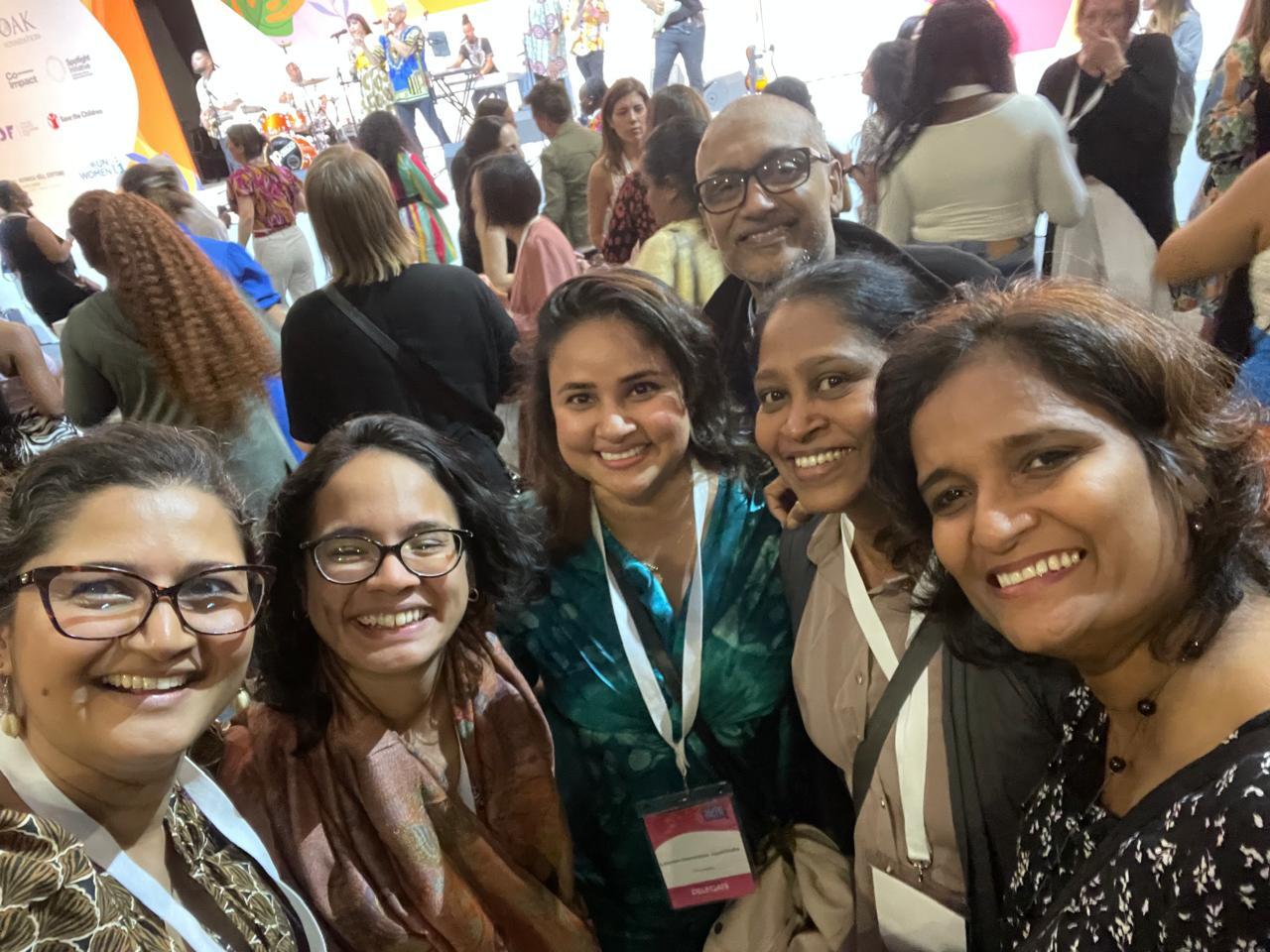
As part of the work towards this outcome, 5 national team members, including two staff members from the Family Health Bureau, were supported to attend the SVRI Forum 2024 and two days of capacity building were conducted focused on adaptation of violence prevention interventions to different contexts.
Generating evidence to inform policy and programme design
The team developed and submitted a detailed ethics proposal for formative research, laying the regulatory groundwork for the evidence-gathering phase to follow. Approval delays affected research timelines, but the process helped clarify requirements and strengthen the research design ahead of data collection.
Developing and adapting an integrated IPV prevention intervention
The project reviewed existing primary prevention interventions, including curricula, to identify models that were both evidence-based and contextually relevant to the Sri Lankan healthcare system. Applying a structured adaptation framework tool, the team systematically assessed multiple candidate interventions against defined criteria, narrowing the field to a shortlist of two for further consideration.
Adapting as We Advance (2025-2026)
Despite regulatory delays and a complex operating environment, 2025 marked measurable progress across all three Theory of Change outcomes. The year focused on consolidating partnerships, strengthening national leadership in intervention adaptation, completing formative research, and advancing toward contextual intervention adaptation.
Strengthening systems and structures for sustainable IPV prevention
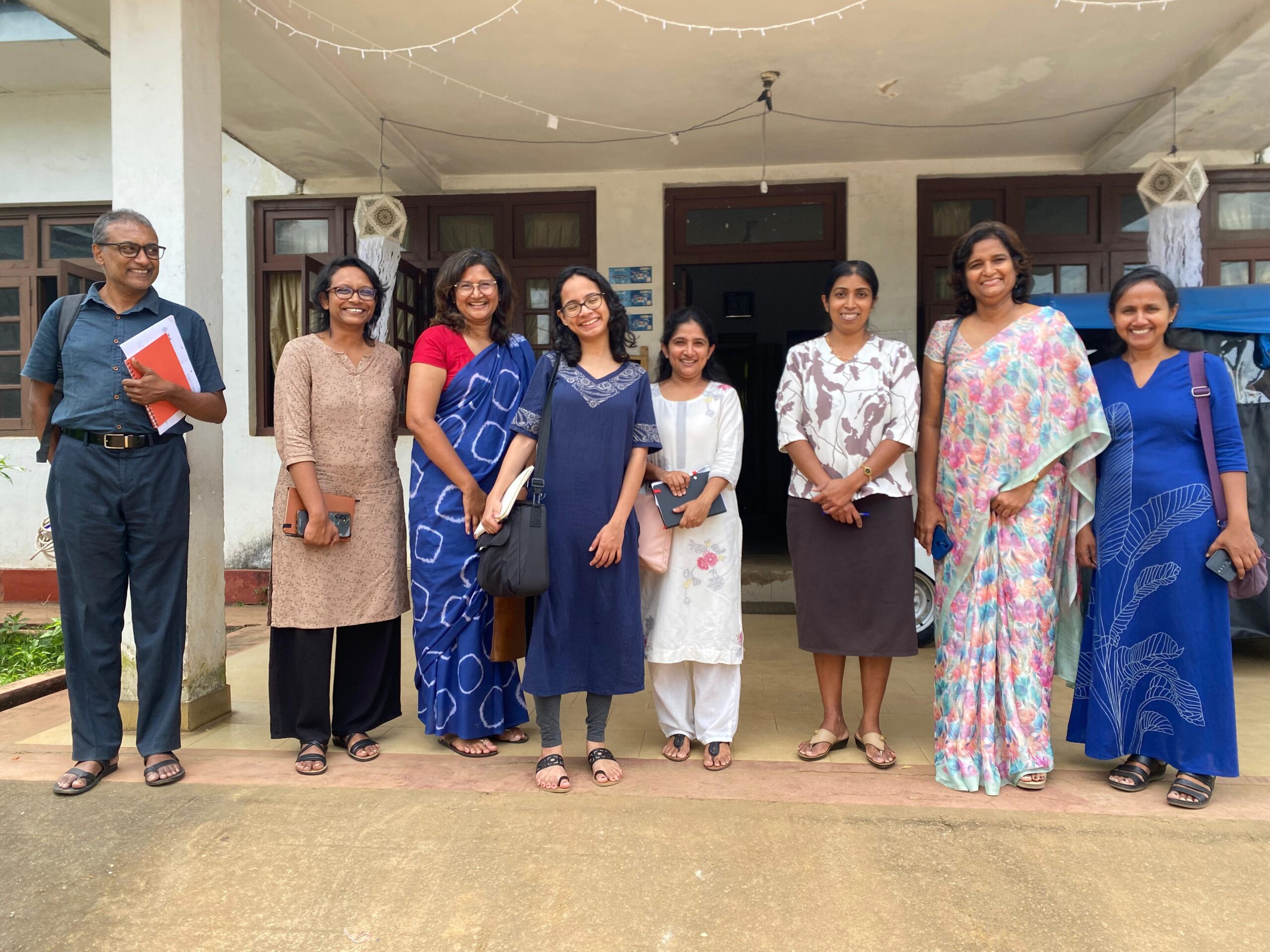
The project focused on building the institutional relationships and expertise needed for a nationally led intervention. Using the IPV-ADAPT+ Framework, national practitioners strengthened their capacity in intervention adaptation through sustained technical accompaniment — an approach centred on joint learning and shared decision-making rather than external design. Mapping and orientation visits across seven Medical Officer of Health areas were conducted to assess service delivery realities, identify operational constraints, and align the proposed intervention with existing workflows. This served to ensure that the work is grounded in real district-level service conditions, while formal endorsement from the Family Health Bureau Technical Advisory Committee positioned the project within national maternal and reproductive health priorities.
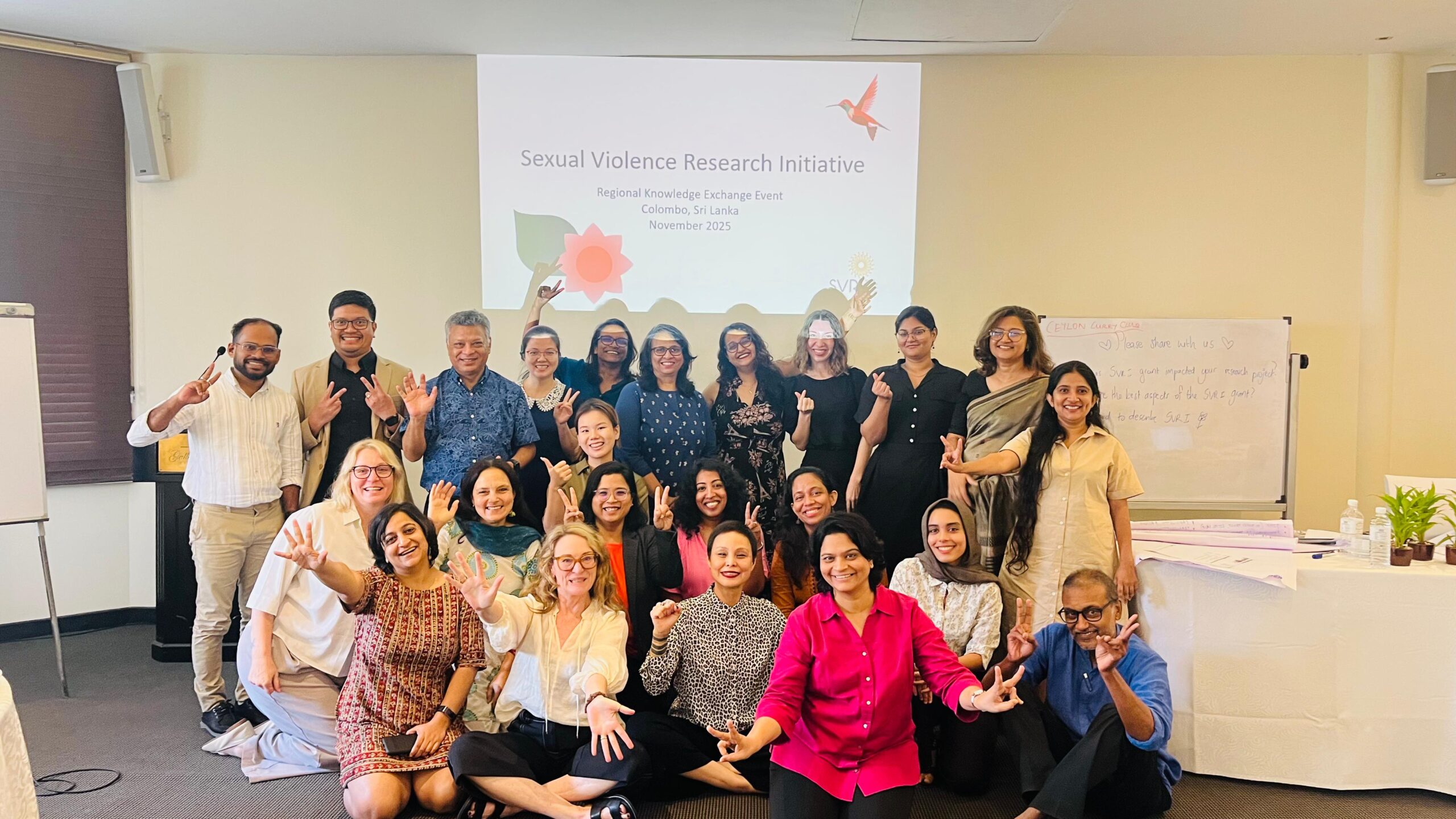
The SVRI team also convened its Connect, Communicate, Create regional partner meeting in Sri Lanka, sharing learning across grant partner contexts in South and Southeast Asia. Beyond knowledge sharing, the meeting created space to reflect collectively on what is needed to strengthen the regional evidence ecosystem, particularly in contexts where investment in prevention research remains limited.
Generating evidence to inform policy and programme design
The project completed ethically approved, locally-led formative research across five districts – 35 Focus Group Discussions and 24 Key Informant Interviews with 186 participants. The research explored community attitudes toward intimate partner violence, service provider perspectives, and barriers and facilitators to uptake of the existing Pre-Conception Care Programme. These findings are documented in the formative research report and will now directly inform decisions on intervention content, delivery, and training needs. Partners also co-authored two Knowledge Exchanges, one on what works to create equitable partnerships and the other on the broader field of implementation research with practices and reflections emerging from the early phase of this work.
Developing and adapting an integrated IPV prevention intervention
Following a systematic review of ten candidate interventions, the team selected an evidence-based intervention for contextual adaptation within Sri Lanka’s Pre-Conception Care Programme. With the formative research phase now complete, the project is positioned to move into structured adaptation planning, aligning intervention content, provider training, and delivery mechanisms with district-level realities and national health system priorities.
Watch This Space!
We will be documenting and disseminating the lessons learned from Collaborative Evidence Building for Impact at Scale guided by a feminist monitoring, evaluation and learning agenda. We will disseminate through blogs, webinars, panels, and at a range of meetings with diverse partners and stakeholders!
In partnership with: