


The new Evidence Gap Map on school-based GBV prevention programmes, led by Stellenbosch University from South Africa, was launched on 25 November (3pm-4pm SAST).
Schools are critical spaces where young people’s social and gender norms are formed, and where prevention efforts can have lasting impact. Yet, until now, there’s been no consolidated picture of what works, where, and for whom. This webinar presented key insights from a comprehensive evidence gap map, which brings together findings from over 50 studies across 50 countries, including 15 in Southern Africa. Panellists also reflected on key gaps for future research and the actions needed to advance GBV prevention in schools across the SADC region and beyond.
See the Evidence Gap Map here
Panellists
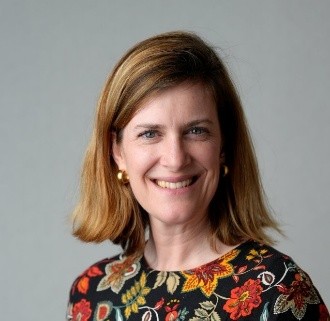
Prof. Sarah Skeen is Prof Global Health at Stellenbosch University where she is Co-Director of the Institute for Life Course Health Research, and Chief Specialist Scientist at the SA Medical Research Council. She focuses on developing and evaluating programmes to reduce risks for and strengthen child and adolescent mental and physical health and development, and maternal and caregiver mental health in contexts of adversity. She has a special interest in gender and gender transformative programming.
Dr Cassandra Carels is an early career researcher with a focus on developing and evaluating school-based intervention programs in low-resource settings. She has experience in participatory research methods, mixed methods and social psychology. She has collaborated with and worked for various stakeholders in low-income communities within the NPO and education sector to lead school-based psychosocial interventions through sports. She has also served as the Chairperson of the School Governing Body (SGB) at a local primary school.
Mrs Kelly Gemmell is a public health nutrition practitioner and researcher with 14 years’ experience working in this field. As a community-based dietitian working for the South African Department of Health, she gained an awareness of how the complementary aspects of nurturing care and enabling environments are needed to realise optimal early childhood development in low-resource settings. With her research career, she is keen to bridge the gap between what evidence-based research tells us about optimal early childhood development and how it can be applied in the health systems strengthening sphere.
