


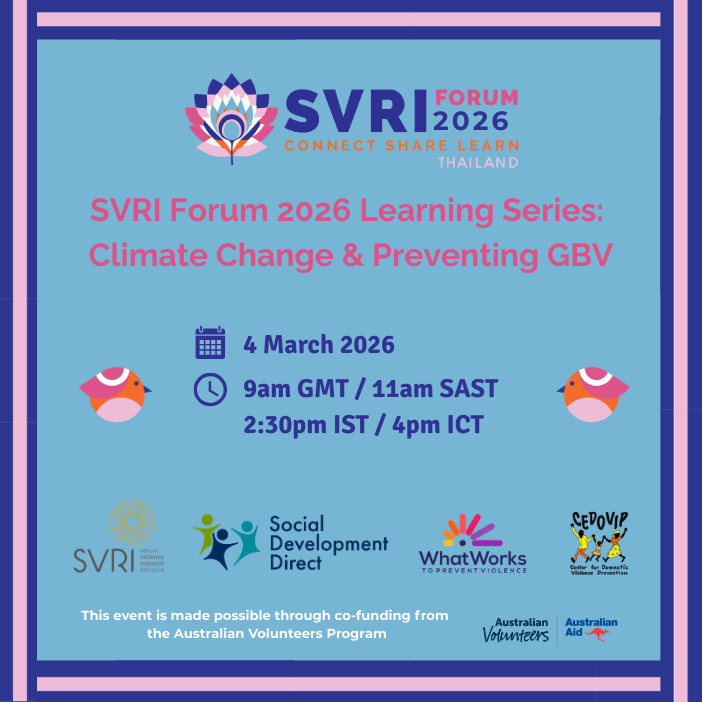
On 04 March 2026 (11am SAST) SVRI hosted this session, supported by the Australian Volunteers Program, to explore how climate-related shocks, displacement, economic stress, and environmental change intersect with risks of violence against women and violence against children. Drawing on research, regional experience, and practice-based learnings, this webinar shares emerging evidence and practical approaches for strengthening prevention and response in climate-affected contexts. Speakers featured were Naomi Clugston, Senior researcher on the Ending VAWC Helpdesk and Josephine Kamisya, Executive Director of the Centre for Domestic Violence Prevention Uganda.
See the full report on Gender-Based Violence: Overcoming an Unseen Barrier to Effective Climate Action here. Available in Arabic, Spanish, Indonesian, and Lao.
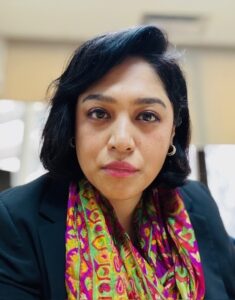
Sujata Tuladhar is a senior adviser at the United Nations Population Fund (UNFPA) Asia-Pacific Regional Office, where she works to prevent and respond to gender-based violence across the region. With more than 19 years of experience, she has led efforts to support women and girls affected by violence, both in everyday life and during emergencies such as natural disasters or conflict. Sujata has worked in several countries—including the Philippines, Pakistan, and Nepal—where she has helped governments and organizations strengthen their support systems for survivors of violence. Before her current role, she also worked with the Asian Development Bank on gender equality initiatives. Originally from Nepal, Sujata holds a Master’s degree in International Relations from The Fletcher School at Tufts University and a Bachelor’s degree in International Relations from Connecticut College, both in the United States.
Speakers
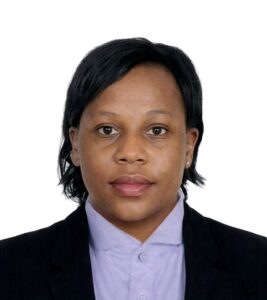
Josephine Kamisya is a founding member and the Executive Director of the Centre for Domestic Violence Prevention (CEDOVIP) with 19 years of experience mobilising communities to prevent violence against women. She played a key role in the successful and groundbreaking SASA! pilot in Kampala, which reduced the risk of physical intimate partner violence by 52%. Her expertise includes providing technical assistance to civil society partners to implement and scale evidence-based violence prevention models, strengthening government departments to reform and enforce GBV laws, and supporting response institutions, as well as civil society organisations to deliver survivor-centered responses. She also mentors staff to carry out effective prevention initiatives. Deeply committed to ensuring women can live free from violence and be treated with dignity both at home and in their communities, Josephine brings passion and vision to her leadership.

Naomi Clugston is a Senior Technical Specialist at Social Development Direct, working at the intersection of gender-based violence, climate change and inclusive governance. In her current role on the FCDO-funded, What Works to Prevent Violence: Impact at Scale programme, she co-authored the report “GBV: Overcoming an Unseen Barrier to Effective Climate Action”, which was launched at COP29. This report explores both how climate change multiplies GBV risks and how GBV itself can undermine efforts to address climate change and environmental degradation, by preventing the meaningful participation of whole communities. Naomi continues to advocate for the inclusion of GBV considerations in climate policy and programming, and for evidence generation to demonstrate the benefits of addressing GBV in climate work.
